
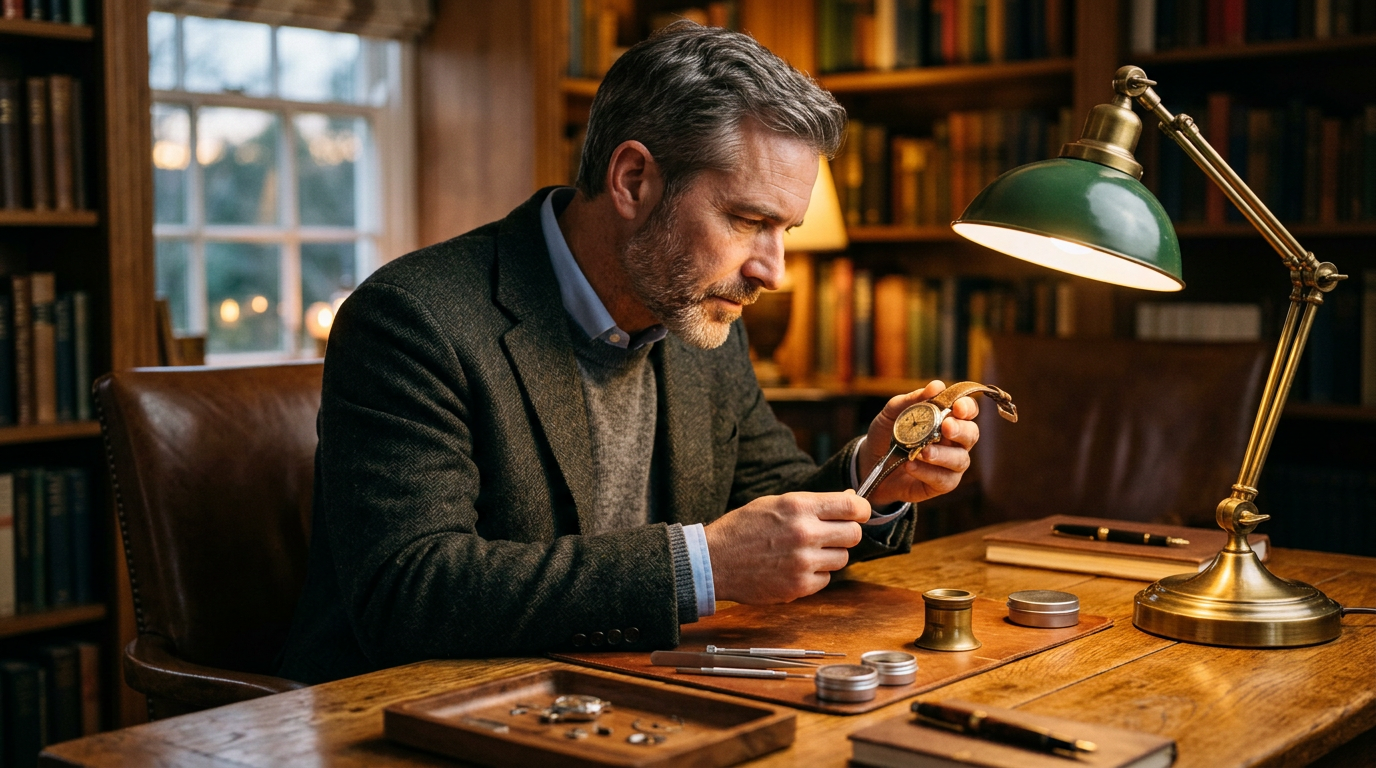
What Makes a Heritage Watch a Smart First Collectible
A heritage watch can be an excellent first collectible because it offers more than a recognizable name or a fashionable look. These watches draw on designs that have already proved their staying power, often with proportions, dial layouts, and practical features that remain appealing decades later.
For a first purchase, that familiarity matters. You are less likely to be buying into a short-lived trend, and more likely to choose something you will enjoy wearing regularly. The best heritage-inspired watches also combine classic styling with modern materials, dependable movements, and easier servicing than many older vintage pieces.
What Counts as a Heritage Watch?
“Heritage watch” can mean two different things. It may refer to a genuinely vintage watch from an earlier period, or to a modern watch designed around a historic model from a brand’s archives.
Vintage watches carry the appeal of age, originality, and direct historical connection. A 1960s chronograph or early dive watch, for example, may reflect the materials and production methods of its era. That appeal comes with trade-offs: condition varies, replacement parts may be difficult to source, and authenticity requires closer scrutiny.
Modern heritage watches offer a more practical route. They borrow details from earlier designs, such as domed crystals, vintage-style numerals, slimmer cases, and traditional hand shapes, while using current manufacturing standards. Many include sapphire crystals, improved water resistance, more accurate movements, and warranties.
The best heritage-inspired watches also combine classic styling with modern materials, dependable movements, and easier servicing than many older vintage pieces. Hamilton watches are a good example: their heritage collections revisit mid-century field, aviation, and military-inspired designs while remaining practical for everyday wear.
A watch does not become “heritage” simply because it looks old. The strongest examples have a clear, documented link to an earlier model or period in the brand’s history.
Why Heritage Watches Work for New Collectors
Heritage watches give new collectors a useful foundation. Their designs are usually easy to understand: clean dials, balanced cases, legible hands, and materials built for regular use.
They also offer context. A dive watch inspired by the early Rolex Submariner, first introduced in 1953, or a chronograph connected to the Omega Speedmaster family, launched in 1957 and later associated with NASA’s space program, has a story behind it. That history can make researching, buying, and eventually selling the watch easier.
Just as important, a heritage watch does not need to live in a safe. A well-chosen modern reissue can work as an everyday watch while still feeling connected to a larger collecting tradition.
Heritage vs. Modern Watches
The distinction is not simply old versus new. It is about priorities.
Heritage-focused watches tend to emphasize continuity. They often use moderate case sizes, restrained colors, straightforward dial layouts, and familiar details such as dauphine, cathedral, or Mercedes-style hands. Their appeal is rooted in proportions and design cues that have remained relevant for decades.
More contemporary watches may favor larger cases, unusual shapes, bold dial treatments, integrated bracelets, or colors that reflect current tastes. None of those features are inherently bad, but they can be more dependent on changing fashion.
Heritage-inspired models sit comfortably between the two. They preserve the character of an earlier design but make daily ownership simpler through modern seals, tougher crystals, upgraded movements, and better finishing.
Do Heritage Watches Hold Their Value?
Some do, but no watch should be bought solely as an investment. Resale value depends on the specific model, condition, production numbers, market demand, service history, and whether the watch includes its original box and papers.
Established designs often have an advantage because buyers already understand them. A recognizable dive watch, chronograph, or dress watch from a respected manufacturer can be easier to sell than a more experimental model with little track record.
Documentation reduces uncertainty for future buyers. Keep warranty cards, receipts, service records, manuals, and the original box whenever possible. For vintage watches, originality matters especially: replaced dials, hands, bezels, or heavily polished cases can affect collector interest and value.
Limited editions can command premiums, but scarcity alone is not enough. A small production run only helps if there is sustained demand for the watch.
How Brand History Affects Price
Brand history shapes how collectors assess a watch. Rolex, Omega, Patek Philippe, Cartier, Jaeger-LeCoultre, and other long-established makers benefit from deep archives, recognizable models, and active secondary markets.
Specific references can carry particular weight. The Rolex Submariner is closely tied to the development of the modern dive watch. The Omega Speedmaster became the first watch worn on the Moon during Apollo 11 in 1969, after NASA qualified the Speedmaster for manned space missions in 1965. Those connections do not guarantee a price increase, but they provide a clear narrative that collectors understand.
That said, a strong first collectible does not have to come from the most expensive names. Brands such as Longines, Tissot, Hamilton, Seiko, Oris, and Tudor also produce heritage-oriented watches with credible histories and more accessible price points.
Design Traits Worth Looking For
The best heritage designs tend to be simple rather than plain. Look for a dial that is easy to read, a case that sits comfortably on your wrist, and details that feel purposeful.
Common features include:
- Balanced, uncluttered dial layouts
- Traditional Arabic or Roman numerals, or clean applied indices
- Domed sapphire or hesalite-style crystals
- Moderate case sizes, often around 36 mm to 42 mm
- Practical steel cases, leather straps, or well-made bracelets
- Vintage-inspired hands and restrained color palettes
Fit matters more than the number printed on the specification sheet. Lug-to-lug length, case thickness, and bracelet shape can affect comfort as much as diameter.
Movements and Materials That Last
For a first serious collectible, buy a watch you can realistically maintain. Mechanical movements, whether manual-wind or automatic, can last for decades when serviced properly. However, service costs, access to parts, and local watchmaker expertise should be part of the buying decision.
Sapphire crystal is usually the most practical choice for everyday wear because it resists scratches far better than acrylic. Acrylic has its own charm and is historically correct on some designs, but it marks more easily.
Stainless steel is durable, corrosion-resistant, and comparatively forgiving. Gold adds warmth and intrinsic material value, though it is softer and more likely to show wear. Water resistance is useful, but treat it as a feature that needs maintenance, not a permanent guarantee. Gaskets age, and a watch should be pressure-tested before regular water exposure.
How to Choose Your First Heritage Watch
Start with your lifestyle, not a resale chart. Think about where you will wear the watch: at work, while traveling, on weekends, or for formal occasions.
Then set a firm budget that includes insurance, a possible strap change, and future servicing. Research current market prices across reputable dealers and established secondary-market platforms. If you are buying vintage, factor in the cost of authentication and a condition review by a qualified watchmaker.
Before purchasing, check:
- Case condition and signs of excessive polishing
- Movement condition and recent service history
- Dial, hands, bezel, and bracelet originality
- Water-resistance rating and testing history
- Included box, papers, receipts, and warranty documentation
- Seller reputation and return policy
Buy the best example you can afford, but do not let perfection stop you from buying a watch you genuinely like.
Caring for It Over Time
Store your watch somewhere dry, stable, and away from prolonged sunlight. Wipe it with a soft cloth after wear, avoid harsh cleaning products, and keep it away from strong magnets.
A mechanical watch typically benefits from professional service every several years, though the right interval depends on the movement, usage, and manufacturer guidance. If performance changes noticeably, address it early rather than waiting.
Keep a dated record of servicing and repairs. That history will help both you and any future owner understand the watch’s condition.